


Jacqueline Holte, widely known as Jackie, was the younger sister of legendary American singer Patti LaBelle. Although she lived largely outside the public spotlight, her life remains part of Patti’s personal story, particularly because of her reported death in 1989 and its connection to the emotional music video for “If You Asked Me To.” Jackie was also the mother of William Holte and Stayce Holte, whom Patti later adopted. Her story brings together family relationships, motherhood, grief, and the responsibilities that followed a devastating loss. While reliable public information about Jackie’s private life is limited, Patti’s recollections and published biographical accounts help explain why her sister continues to hold a meaningful place in the singer’s family history.
Quick Bio
| Detail | Information |
| Full name | Jacqueline Holte-Padgett, reported |
| Known as | Jackie Holte |
| Best known for | Being Patti LaBelle’s younger sister |
| Sister | Patti LaBelle |
| Patti’s birth name | Patricia Louise Holte |
| Family background | Holte family, Philadelphia |
| Reported year of death | 1989 |
| Reported age at death | 43 |
| Cause of death | Conflicting accounts; ABC News reports lung cancer |
| Children | William Holte and Stayce Holte |
| Famous connection | “If You Asked Me To” music video |
| Family legacy | Sisterhood, motherhood, and remembrance |
Who Was Jacqueline Holte?
Jacqueline Holte, affectionately known as Jackie, was the younger sister of Patti LaBelle, the celebrated American singer recognized for her powerful vocals and contributions to soul, R&B, and popular music. Patti was born Patricia Louise Holte and developed her musical career from her early years in Philadelphia.
Unlike her famous sister, Jackie did not build a widely documented public career. Most available information about her comes from accounts of Patti’s family, published biographies, and interviews in which the singer has discussed the loss of her sisters.
This limited public record is important when considering Jackie’s life. It would be inaccurate to invent details about her education, occupation, personality, or everyday experiences simply to make a celebrity biography appear more complete.
The connection between Jacqueline Holte and Patti LaBelle is nevertheless significant. Patti has spoken publicly about losing her sisters and explained how those experiences influenced her understanding of family, perseverance, and remembrance.
Jackie was also a mother to William and Stayce Holte. Following her death, Patti adopted both children, adding a lasting family responsibility to an already painful period.
Understanding Jackie’s story therefore involves two related aspects: her place within the Holte family and the memories Patti has shared about their relationship. Together, these details offer a respectful picture of a woman whose significance extended beyond her connection to a famous singer.
The Family Pain Patti LaBelle Carried
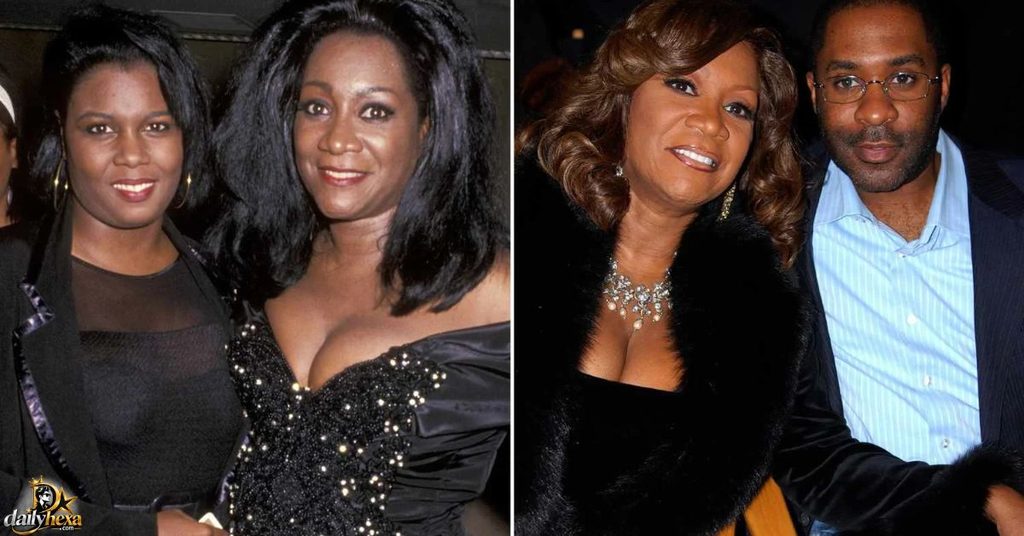
Family loss became an important part of Patti LaBelle’s personal history. The singer experienced the deaths of her sisters at relatively young ages, and those experiences remained meaningful throughout her life.
In an interview with ABC News, Patti discussed losing her sisters Vivian and Jackie to lung cancer. She explained that both women died in their forties and that their deaths affected her deeply. Patti also connected these losses to her involvement in raising awareness about lung cancer through the American Lung Association’s LUNG FORCE initiative.
Published accounts are not entirely consistent about Jackie’s cause of death. ABC News reports lung cancer, while other biographical summaries identify a different form of cancer. The discrepancy should be acknowledged rather than presenting an uncertain medical detail as universally established.
Jackie’s death in 1989 was particularly difficult because Patti continued working during her bereavement. Professional commitments did not automatically stop because she was experiencing a personal tragedy.
Patti later explained that she continued performing partly because she believed her sisters would have wanted her to keep pursuing her career. Her recollections provide a personal perspective on the relationship between grief, family encouragement, and professional responsibility.
Jackie’s story is therefore about more than the circumstances of her death. It also reflects the lasting emotional effects of losing someone close and the ways family members try to move forward while preserving important memories.
The “If You Asked Me To” Connection
One of the best-documented connections between Jackie’s life and music history involves Patti LaBelle’s 1989 recording of “If You Asked Me To.”
Written by American songwriter Diane Warren, the song was recorded by Patti before Celine Dion released her own version in 1992. The two recordings became part of the song’s broader history in popular music.
The circumstances surrounding Patti’s music video gave her version an additional personal significance. According to Patti’s interview with ABC News, she filmed the video the day after Jackie’s funeral.
Patti explained that she initially did not want to film because of the circumstances, but she remembered that Jackie had been a big fan who wanted her to succeed. She ultimately continued with the project despite the difficulty of the moment.
This detail provides important context for understanding the emotional associations surrounding the video. It connects a professional recording to a documented family tragedy without requiring speculation about every expression or scene.
It is also important to distinguish the song’s original purpose from its later personal meaning. “If You Asked Me To” was written by Diane Warren; it was not originally composed as a tribute to Jackie. The connection developed through the timing of the video and Patti’s experience of mourning her sister.
The result is a meaningful example of how a song can acquire additional significance through the circumstances in which an artist performs it.
Private Grief in a Public Career
Grief does not always arrive when professional commitments can easily be postponed. Recording sessions, performances, filming schedules, and other responsibilities may continue while someone is coping with the death of a loved one.
Patti LaBelle’s experience illustrates this overlap between public work and private emotion. Filming “If You Asked Me To” immediately after Jackie’s funeral meant facing a professional commitment during a deeply painful period.
Patti’s own recollections provide the clearest basis for discussing the circumstances. Rather than interpreting every emotional expression in the video as proof of a particular feeling, readers can understand the performance through the context she shared.
The experience also reflects something familiar beyond the entertainment industry. People may return to work, attend school, care for their families, or fulfill other responsibilities while still processing a loss.
Continuing with those responsibilities does not mean that grief has disappeared. Nor does it mean that every person experiences bereavement in the same way.
In Patti’s case, her memories of Jackie’s encouragement helped her understand why continuing to perform mattered. Her account presents a personal connection between family support and perseverance without suggesting that suffering is necessary for artistic success.
Why Jackie’s Support Mattered So Much
Patti LaBelle recalled that Jackie was a fan who wanted her to succeed. In her ABC News interview, she explained that remembering her sister’s encouragement helped her continue working during a difficult period.
This recollection offers a meaningful insight into their relationship. It indicates that Jackie supported Patti’s ambitions, even though Jackie herself remained largely outside the public spotlight.
Family encouragement can take many forms. Relatives may support a person’s goals, celebrate achievements, offer reassurance, or provide emotional stability during uncertain times. These contributions may never appear in a professional biography, but they can remain important to the person receiving them.
For Patti, Jackie’s support became part of how she understood her decision to continue working after the funeral. She believed that her sister would have wanted her to move forward with her career.
Also read:Sabrina Carpenter’s Age and Height, Bio & Net Worth 2026
That interpretation belongs to Patti’s personal recollection rather than a claim that every detail of Jackie’s thoughts is known. Maintaining this distinction allows the story to remain emotionally meaningful while respecting the limits of the available evidence.
Jackie’s place in Patti’s story therefore rests partly on the encouragement she reportedly provided during her life and the significance Patti continued to attach to their relationship afterward.
The Song Became More Than a Song
Music often becomes connected to personal memories. A recording may remind listeners of a relationship, a difficult period, or an important event. For performers, a song can also become associated with the circumstances surrounding its recording.
Patti LaBelle’s “If You Asked Me To” acquired a particular association with Jackie because the video was filmed the day after her funeral. The song’s original composition remained unchanged, but the circumstances of the performance gave it an additional emotional context.
Patti has also spoken about butterflies as reminders of her sisters. According to ABC News, she recalled seeing a little yellow butterfly at Jackie’s funeral and wrote about the experience in her book Patti’s Pearls: Lessons in Living Genuinely, Joyfully, Generously.
She explained that butterflies subsequently reminded her of Jackie. Such personal symbols can help people preserve a sense of connection with someone who has died.
These memories illustrate how remembrance can become part of everyday life. A song, a familiar image, or a natural symbol may carry emotional meaning because of the person associated with it.
The connection between Jacqueline Holte and “If You Asked Me To” should therefore be understood as a documented part of Patti’s personal history, rather than evidence that the song was originally written about Jackie.
Jacqueline Holte as a Mother
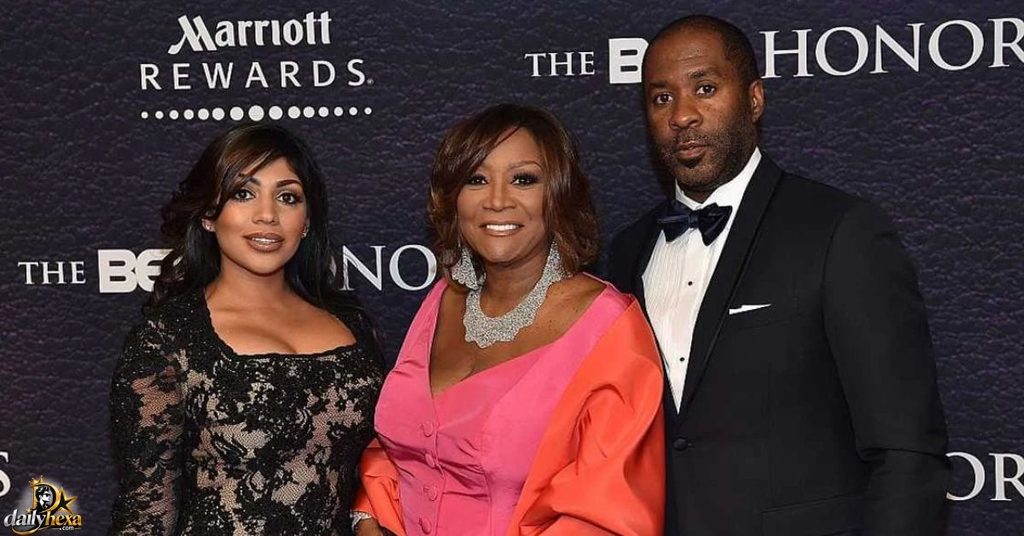
Jackie was the mother of William Holte and Stayce Holte. Following her death, Patti LaBelle adopted the two children, according to published accounts of the singer’s family.
This development adds an important dimension to the story. Patti was not only coping with the death of her sister but also taking on a parental role in the lives of Jackie’s children.
The adoption became part of the family’s longer history, illustrating how relatives can assume new responsibilities following a loss.
Jackie’s children and their family connection
William and Stayce Holte are identified in published coverage as two of Patti LaBelle’s five children. Patti’s biological son is Zuri Kye Edwards, while Dodd Stocker-Edwards and Stanley Stocker-Edwards are her other adopted children.
The family relationships should be described accurately. William and Stayce were Jackie’s children and Patti’s niece and nephew by birth before Patti adopted them.
Their story also illustrates the difference between providing support as an aunt and assuming the legal and parental responsibilities associated with adoption.
However, information about Jackie’s parenting style, her children’s early experiences, and the private details of their lives is limited. These gaps should not be filled with unsupported anecdotes.
Motherhood remains an essential part of Jackie’s story because it connects her memory to the next generation of the Holte family. Patti’s decision to adopt William and Stayce also shows how family bonds can continue through care and responsibility after a devastating loss.
A Story About Love After Loss
The death of a family member can change relationships and responsibilities in lasting ways. Relatives may take on new roles, preserve memories, and find ways to remain connected to someone who is no longer present.
Patti LaBelle’s relationship with Jackie illustrates this process. Patti remembered her sister’s encouragement, spoke about the emotional circumstances surrounding the funeral, and later became the adoptive mother of Jackie’s children.
These actions do not suggest that grief disappears. Instead, they show how remembrance and responsibility can become part of life after bereavement.
Jackie’s story also reminds readers that people should not be remembered only through the circumstances of their deaths. Her role as a mother and sister remains important, even though reliable public information about her individual life is limited.
The broader significance of Jacqueline Holte lies in the relationships that continued after her passing. Patti’s memories and her commitment to Jackie’s children help explain why Jackie remains part of the family story.
The Hidden Cost Behind Great Performances
A performance may appear effortless to an audience, but viewers do not always know what an artist is experiencing away from the stage.
Patti LaBelle’s recollection of filming “If You Asked Me To” after Jackie’s funeral provides a documented example of professional work overlapping with personal grief.
Her experience should not be interpreted as proof that great art must emerge from suffering. Artists create meaningful work for many reasons, including inspiration, discipline, joy, imagination, and personal relationships.
The more useful lesson is that public success does not reveal every aspect of a person’s life. An artist may be managing family responsibilities or private difficulties while continuing to meet professional expectations.
Patti explained that Jackie’s encouragement helped her continue working. This gives readers a grounded understanding of her motivation without requiring assumptions about every aspect of the performance.
The story consequently offers a more complete view of the relationship between music and personal experience. A recording can be appreciated for its artistic qualities while its documented background provides additional context.
Why Writers Should Handle This Story Carefully
Writing about a relatively private person connected to a celebrity requires accuracy and restraint. Jackie is remembered largely through family relationships and Patti’s public recollections, so unsupported claims can easily become misleading.
A responsible article should follow five principles:
- Avoid invented personal details. Do not fabricate Jackie’s education, occupation, personality, or private conversations.
- Describe family relationships accurately. Distinguish Patti’s biological son from her adopted children and explain Jackie’s connection to William and Stayce.
- Attribute medical claims. Acknowledge discrepancies in published accounts of Jackie’s cause of death.
- Preserve the song’s history. Explain that Diane Warren wrote “If You Asked Me To” and that the video’s timing connected it to Patti’s bereavement.
- Avoid sensationalizing grief. Focus on documented recollections instead of exaggerated claims about Patti’s emotional state.
This approach helps readers distinguish documented information from interpretation. It also respects Jackie and her family by recognizing that limited public information should not be replaced with speculation.
What Jacqueline Holte’s Story Teaches Readers
Jackie’s story connects several themes that extend beyond celebrity culture: sisterhood, motherhood, family responsibility, grief, and remembrance.
First, it demonstrates the importance of family encouragement. Patti remembered Jackie as someone who supported her ambitions, and that memory remained meaningful during a difficult period.
Second, the story shows how grief and responsibility can coexist. Patti continued working while mourning her sister and later adopted Jackie’s two children.
Third, the connection to “If You Asked Me To” illustrates how personal circumstances can influence the way audiences understand a musical performance. The song was not originally written as a tribute to Jackie, but the timing of its video became part of Patti’s documented family history.
Finally, Jackie’s story highlights the importance of recognizing people whose influence may not be reflected in public achievements. Someone can have a meaningful impact through family relationships without pursuing a career in entertainment.
Her significance is therefore not measured by fame or professional accomplishments. It rests on the family relationships and memories that continued after her death.
Final Thoughts
Jacqueline Holte remains an important part of Patti LaBelle’s family story because of their sisterhood, Jackie’s role as a mother, and the loss Patti experienced in 1989. The circumstances surrounding the “If You Asked Me To” music video provide a documented connection between Jackie’s death and a significant moment in Patti’s musical career.
The story also extends beyond music. Patti’s adoption of William and Stayce demonstrates how family bonds can continue through care and responsibility after a tragedy.
Although information about Jackie’s private life is limited, that does not diminish her significance. It simply means that her story should be told with care, separating established information from uncertain claims.
Ultimately, Jacqueline Holte is remembered as Patti LaBelle’s younger sister and the mother of William and Stayce. Her story offers a thoughtful reminder that behind public success are family relationships, personal loss, and forms of love that remain meaningful long after someone has died.
FAQs
Who was Jacqueline Holte?
Jacqueline Holte, known as Jackie, was Patti LaBelle’s younger sister and the mother of William and Stayce Holte. She reportedly died in 1989.
Why is Jacqueline Holte connected to Patti LaBelle’s music?
Patti filmed the “If You Asked Me To” music video the day after Jackie’s funeral, connecting the performance to a deeply personal period of grief.
Did Patti LaBelle adopt Jacqueline Holte’s children?
Yes. Published coverage identifies William and Stayce Holte as Jackie’s children whom Patti adopted following her sister’s death.
What was Jacqueline Holte’s cause of death?
ABC News reports that Jackie died of lung cancer, although other biographical accounts give conflicting information about her cause of death.
How old was Jacqueline Holte when she died?
Biographical accounts commonly report that Jackie was 43 when she died in 1989, although this detail is best treated as reported information.
What is Jacqueline Holte remembered for?
Jackie is remembered for her family connection to Patti LaBelle, her role as a mother, and the memories Patti shared about their relationship.

Liam Joseph Miller is a passionate entertainment writer who enjoys exploring celebrity stories, career journeys, fascinating facts, and the latest trends in the entertainment world. His goal is to make every story engaging, informative, and easy to enjoy.